
Endurance set
Slow holds
Lift the muscles, keep breathing, hold for a few seconds, then let go completely. The release matters as much as the lift. Rest between repetitions for about the same time you held.
General information: This site is educational material for adults about pelvic floor muscle training. It is not medical advice and does not replace an assessment by a qualified clinician. If you have pain, numbness, trouble urinating, or symptoms that started suddenly, talk to a doctor first.
General information
This site is educational material for adults about pelvic floor muscle training. It is not medical advice and does not replace an assessment by a qualified clinician. No result or outcome is promised. If you have pain, numbness, trouble urinating, or symptoms that started suddenly, talk to a doctor first.

Jakarta · educational resource for men
Learn what the muscles are, how Kegel exercises are described in public health guidance, and how to build a short daily routine around work, commuting, and time at home in Indonesia.
This site is an educational resource about pelvic floor muscle training for men. It explains what the muscles are, how Kegel exercises are commonly described in public health guidance, and how to build a daily routine that fits around work, commuting, and time at home in Indonesia. Nothing here promises a particular result. Pelvic floor work is a practice, and how it feels varies from person to person.
The material is general information for adults. It is not a substitute for an assessment by a qualified clinician, and it is not written to diagnose or treat anything. If you have pain, numbness, trouble urinating, or symptoms that started suddenly, talk to a doctor rather than starting an exercise program on your own.
Read in this order if you are new: technique first, then pacing, then habit. Doing a routine with the wrong muscles for three weeks is worse than doing the right thing twice.
The useful measure here is whether you can do the movement correctly and consistently. Everything else is individual.
Most beginners cannot tell whether they are squeezing the right muscles. The usual cue in public health leaflets is the feeling of stopping wind or interrupting urine flow. Use that only to identify the muscles once, not as a repeated exercise.
Once you can feel the lift and release, you are ready for the basic technique. Nothing about the first session needs to be strong or long; you are learning to find a muscle you have not been paying attention to.
Read the Kegel exercise guide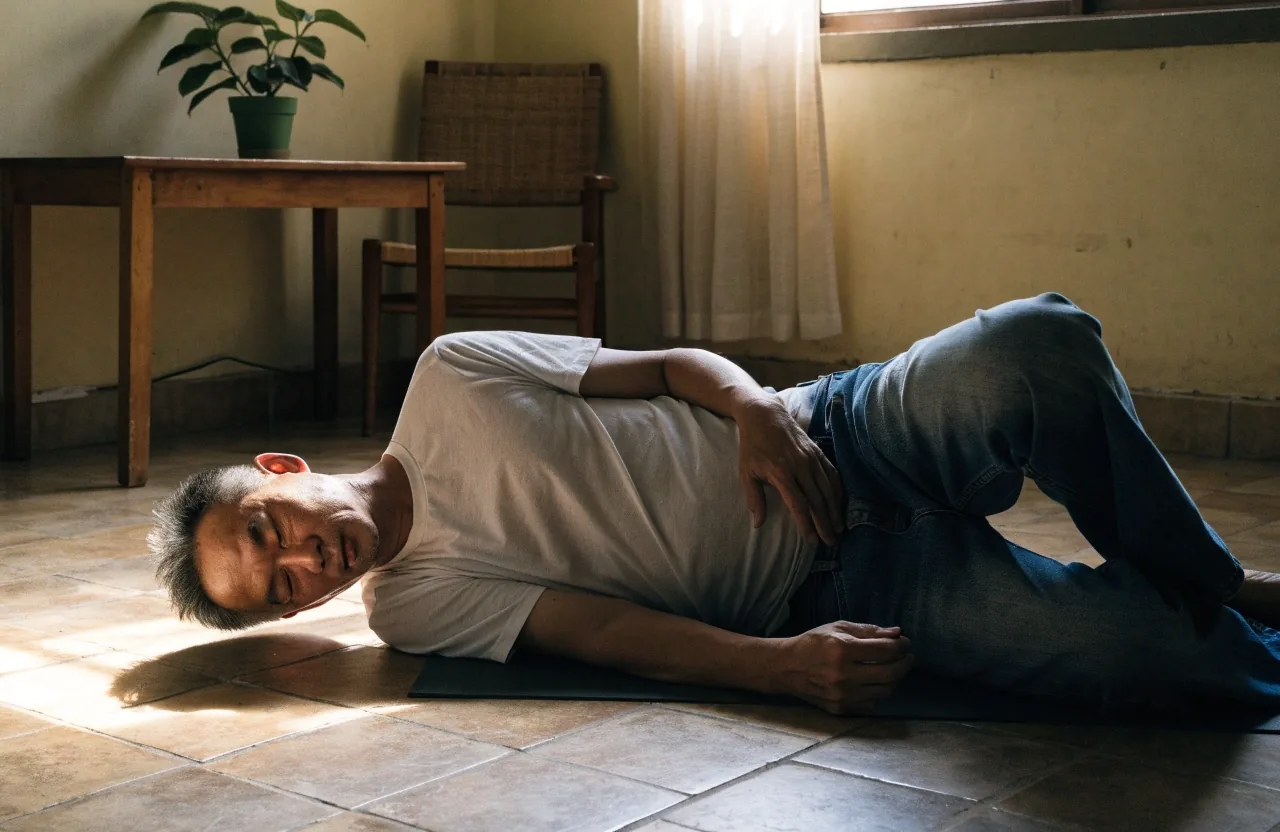
Start with the lying variation if you cannot feel the lift while seated. The full sequence is in the guide.
Pelvic floor muscle training is an umbrella term. It usually includes two kinds of contraction: slow holds, where you lift and hold for a few seconds, and quick squeezes, where you pull and release in a rhythm. Breathing normally throughout matters more than squeezing hard.
Endurance set
Lift the muscles, keep breathing, hold for a few seconds, then let go completely. The release matters as much as the lift. Rest between repetitions for about the same time you held.
Speed set
A fast pull and release, repeated in a steady rhythm. These are sometimes described as a skill for sudden strain moments, such as lifting something unexpectedly. That is a different use from endurance training.
The slow holds and quick squeezes page explains how the two sets differ and how to space them.

Guidance from health sources often suggests starting lying down, because gravity makes the movement easier to feel. From there you can practise sitting in a chair, then standing with support nearby. No equipment is needed.
That matters if you live in a city where a quiet private space is not always available. A parked car, a prayer room, or a desk chair all work as practice settings. If your work involves driving for hours, the standing variation can be practised during a break rather than at the wheel.

A common structure is a small number of holds followed by a short rest, repeated in a few sets. The whole thing can fit into five minutes. Doing it once and stopping rarely builds the habit. Spreading short sessions across the day is the approach most leaflets describe.
For readers who sit most of the day, long hours in an office chair or on a scooter change how the pelvis is positioned. Getting up briefly, shifting position, and letting the breath move low into the ribs are small adjustments. None of them require a gym.
Build a daily routinePosture and breathing affect how much you feel the pelvic floor. Slumped sitting, held breath, and clenched buttocks all get in the way of a clean contraction. Light movement, walking, and relaxed diaphragmatic breathing are commonly mentioned as supporting habits.
Sitting upright with the ribcage stacked over the pelvis makes the lift easier to feel than a slumped position. A chair with back support is enough.
Let the breath move low into the ribs and keep it steady through the contraction. Holding your breath works against the movement instead of with it.
Walking and everyday movement are commonly mentioned as supporting habits. The routine does not need to become a full workout program.
The supporting exercises page covers posture and breathing in more detail.
These come up again and again in public health guidance. Noticing them early saves weeks of practice in the wrong direction.
01
Tightening the thighs, buttocks, or abdomen instead of the pelvic floor is the most common one. If your legs or stomach are doing the work, stop and reset.
02
Breath-holding usually comes with the squeeze. Breathe steadily through the hold and let the release be complete.
03
Overdoing it early tends to lead to soreness and then quitting. If you cannot feel a release after a squeeze, that is worth paying attention to. Full relaxation between repetitions is part of the exercise, not a pause from it.
Lifting a motorbike onto a stand, carrying groceries up stairs, or standing for a long commute are moments when the pelvic floor engages automatically. Noticing that without forcing anything is useful body awareness.
Quick squeezes are sometimes described as a skill for sudden strain moments. That is a different use from endurance training, and it is covered on its own page.
A short aside
We do not diagnose anything. We do not sell supplements, devices, or a program. We do not claim that pelvic floor exercises fix a specific condition. The content is compiled from publicly available health education material and written in plain English for readers in Indonesia. If something on these pages conflicts with advice from your own doctor, follow your doctor.
Start with the technique, then add pacing, then build the habit. That order is deliberate: doing a routine with the wrong muscles for three weeks is worse than doing the right thing twice. After that, the common questions page handles the details people ask most, and the about page explains how the material is put together.
Technique
Locate the pelvic floor once, then move straight to the basic contraction.
Read the Kegel exercise guidePacing
Understand how slow holds and quick squeezes differ and how to spread them across a day.
Slow holds and quick squeezesHabit
A simple weekly shape you can adjust around work and commuting.
Build a daily routineContext
The details people ask most, and how the material on this site is put together.
Check the common questionsStop and seek advice if an exercise causes pain, if you cannot relax after contracting, or if you notice blood, numbness, or a sudden change in bladder or bowel control. These are not training problems to push through.
A physiotherapist or doctor can check whether the muscles are overactive rather than weak, which changes what you should practise. That check is a normal step, not a sign that something has gone wrong.
Contact the team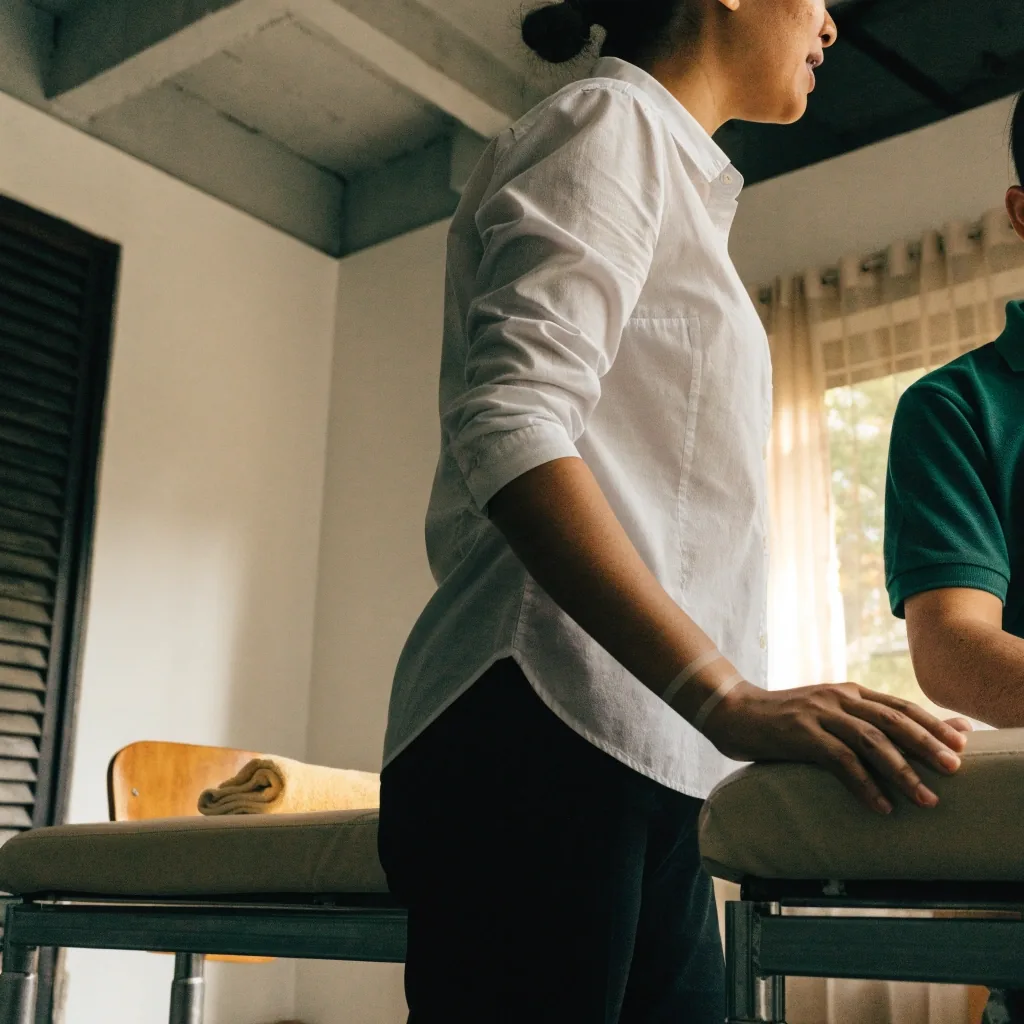
Muscle control is a skill, and skills are built through repetition over weeks rather than days. Some people notice better awareness quickly; others take longer to isolate the muscles at all. Neither is a failure. Because we make no promises about outcomes, the useful measure here is whether you can do the movement correctly and consistently.
Four questions come up more than any others. The common questions page handles the rest.
The usual cue is the sensation of stopping wind or interrupting urine mid-flow. Use it once to locate the muscles, then stop using it as an exercise.
Public health leaflets commonly describe several short sets spread across the day rather than one long session. Consistency matters more than volume.
Start lying down where it is easiest to feel, then practise sitting and standing so the control carries into daily life.
Yes. Holding your breath works against the movement. Breathe steadily and let the release be complete.
The material is compiled from publicly available health education material and rewritten in plain English for readers in Indonesia. The about page explains how it is put together.
Office
Jl. Kemang Raya No. 18, Bangka, Mampang Prapatan, Jakarta Selatan 12730, Indonesia
Hours
Monday to Friday, 9:00 AM – 6:00 PM (WIB)
Phone

If you are new, start with the technique. If you already know the movement, go straight to pacing or the daily routine. The common questions page covers the details, and the about page explains how the material is put together.